Sherrill Signs $60.7b NJ Budget with Big Property Tax Relief, Full Pension Payment
What happened
New Jersey’s new state budget is now law, and the pitch from Trenton is clear: more relief for residents without raising individual taxes.
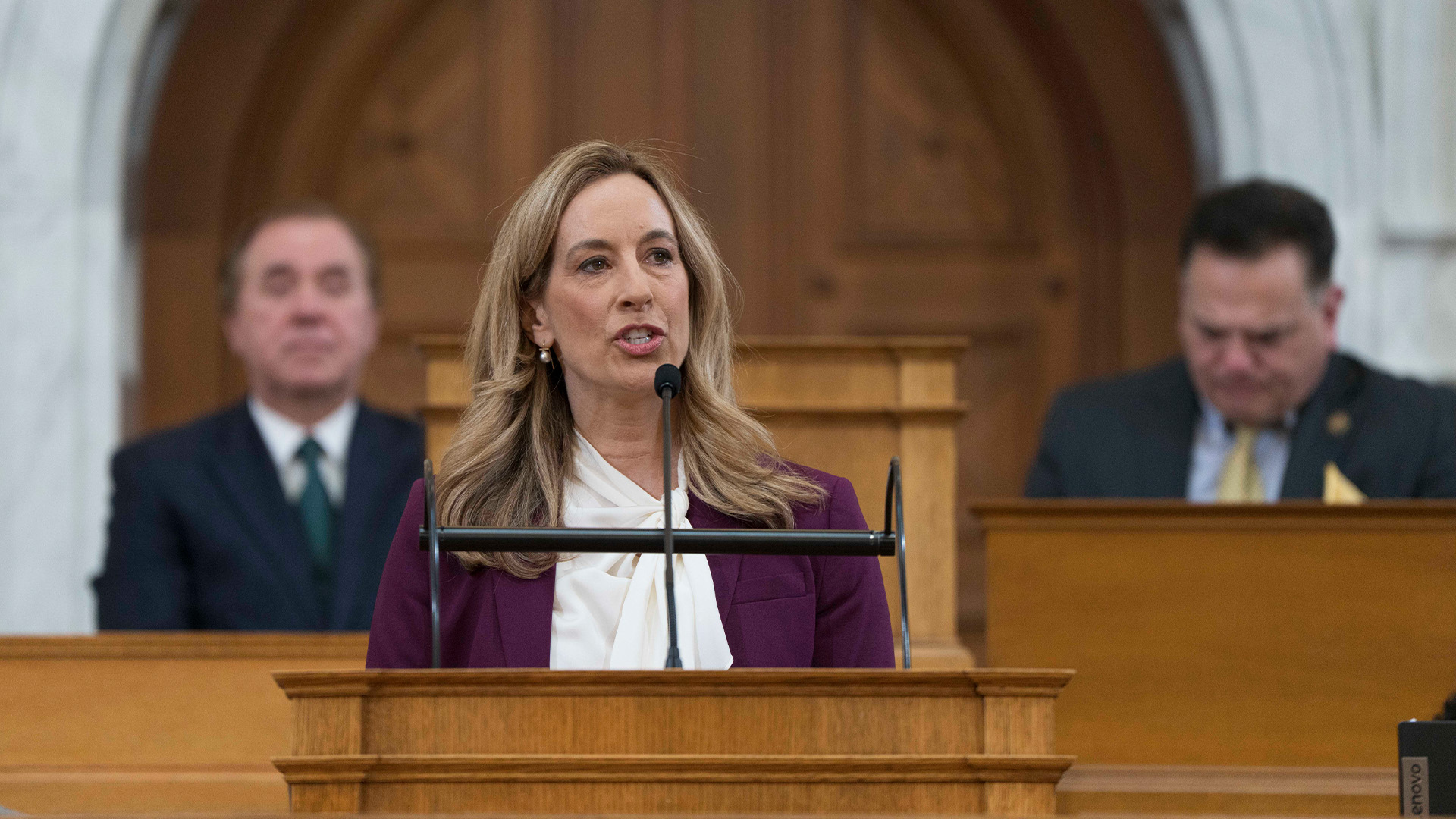
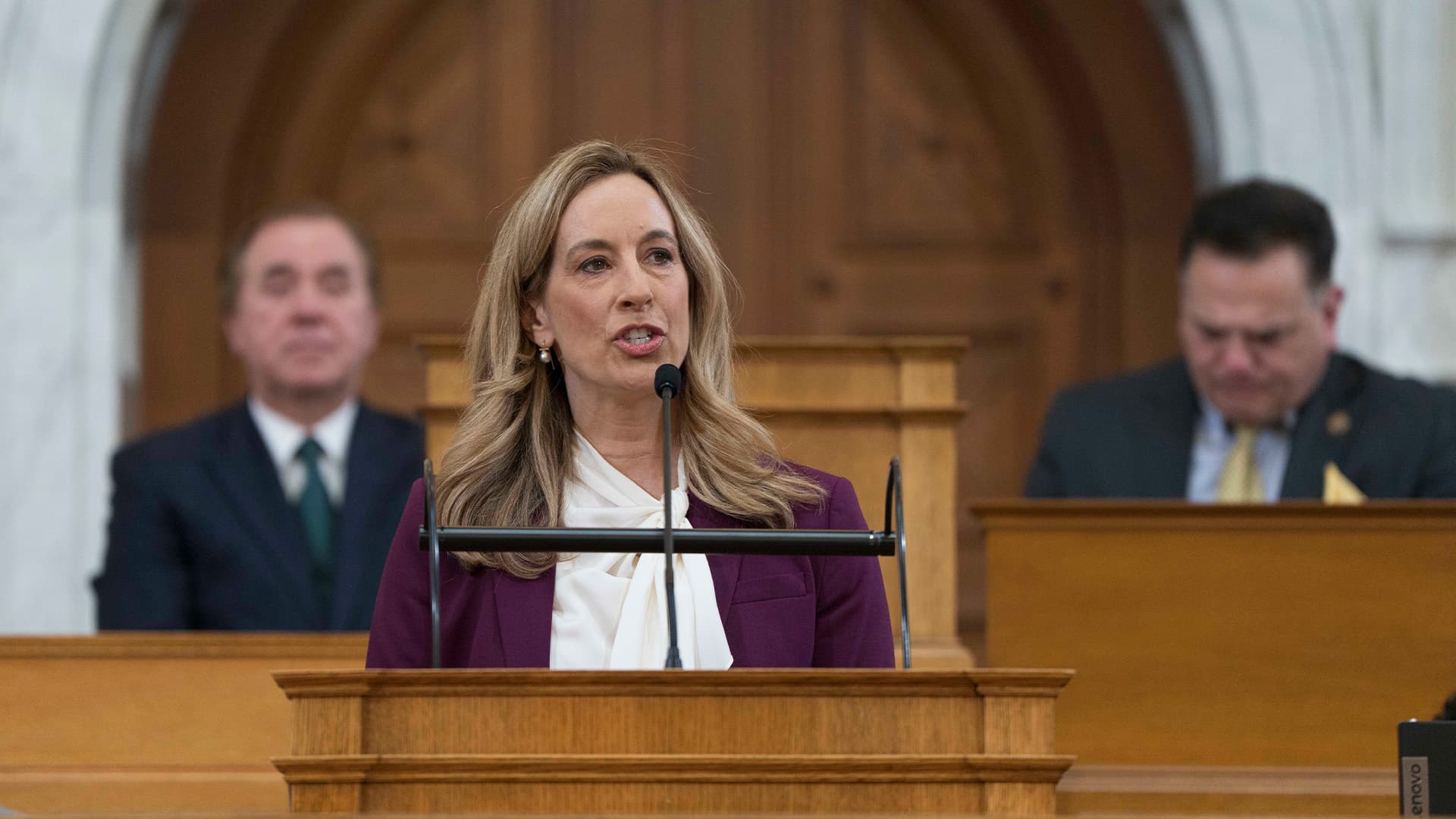
Governor Mikie Sherrill signed the FY 2027 Appropriations Act on July 1, 2026, locking in a $60.7 billion spending plan centered on affordability, education funding, transit support, and pension payments. The biggest reader-facing takeaway is the scale of the tax relief package.
According to the state, the budget includes more than $4.1 billion in property tax relief, including $2.186 billion for ANCHOR, $345 million for Senior Freeze, and $756 million for Stay NJ. The revised Stay NJ structure would provide up to $6,500 for households earning $100,000 or less, up to $5,000 for households earning more than $100,000 and up to $150,000, and up to $4,000 for households earning more than $150,000 and up to $200,000.
The real contrast in this story is what the administration says it delivered versus the bigger affordability pressure families are still feeling. Treasury said the budget also boosts the Child Tax Credit by 25 percent for tax years 2026 through 2028, keeps a $6.084 billion surplus, cuts the structural deficit to $1.35 billion, and includes a full $7.3 billion pension payment.
Beyond taxes, the budget includes a record $12.4 billion for K-12 schools, nearly $1.1 billion in state operating support for NJ TRANSIT, and about $2.1 billion for the State Transportation Capital Program. Those are the pieces that will determine whether the spending plan feels meaningful in daily life instead of just sounding large on paper.
What happens next is less about the signing ceremony and more about delivery. Residents will now be watching to see how fast the relief programs land, whether transit performance improves, and whether New Jersey’s larger affordability problems actually start to ease over the coming year.
Source: New Jersey Department of the Treasury, July 1, 2026.
Continue with related coverage
Use these archive links to keep following this story by location and topic.