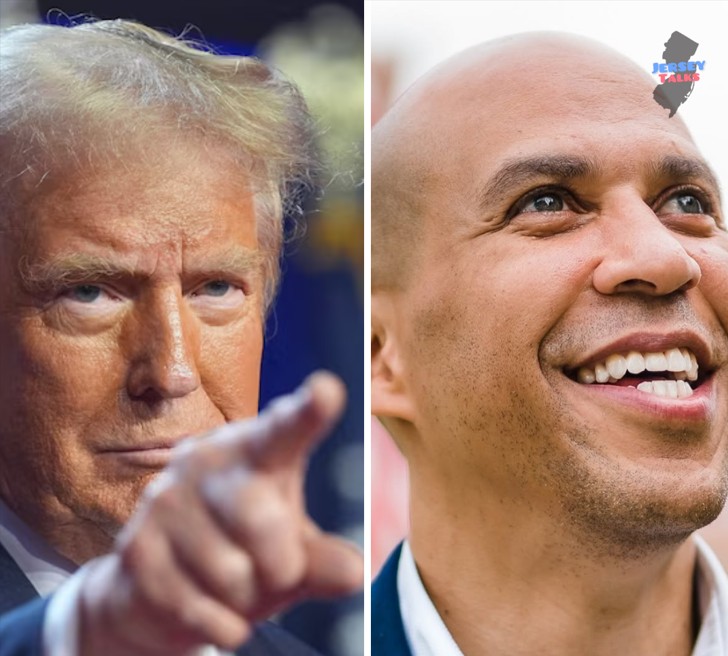
Booker Wants to End the Federal Marijuana Ban. Trump Wants to Keep It — but Make It Less Strict.

What happened
More than five years after New Jersey legalized recreational marijuana, the debate over federal cannabis laws is heating up again.
U.S. Sen. Cory Booker has joined fellow Democratic Sens. Chuck Schumer and Ron Wyden in introducing the Cannabis Administration and Opportunity Act, a bill that would remove marijuana from the federal Controlled Substances Act and leave regulation largely up to individual states.
If approved, the legislation would:
- Remove federal criminal penalties for most marijuana-related offenses.
- Automatically expunge many nonviolent federal marijuana convictions.
- Allow some people serving federal marijuana sentences to seek resentencing.
- Establish a federal framework for regulating and taxing the cannabis industry.
- Expand employment protections for legal cannabis workers and reduce certain federal drug-testing requirements.
"For decades, generations have suffered unjustly under the failed War on Drugs and broken cannabis laws," Booker said while announcing the proposal.
Booker has repeatedly pushed for federal cannabis reform, introducing similar legislation in previous sessions of Congress.
Trump Supports Rescheduling, Not Legalization
President Donald Trump has also taken steps toward changing federal marijuana policy, though his approach differs significantly.
Rather than ending the federal ban altogether, Trump has backed moving marijuana from Schedule I to Schedule III under the Controlled Substances Act.
That change would recognize accepted medical uses for cannabis while keeping it federally regulated. It would also make scientific research easier and allow licensed cannabis businesses to claim standard federal tax deductions that are currently prohibited.
However, rescheduling would not legalize marijuana nationwide or override state laws.
"I want to emphasize that this doesn't legalize marijuana in any way," Trump previously said when discussing the proposal.
Key Difference
The biggest distinction between the two approaches is straightforward:
- Booker's proposal: Remove marijuana from the federal controlled substances list entirely, allowing states to determine their own policies.
- Trump's proposal: Keep marijuana federally regulated but classify it as a less restrictive Schedule III drug.
Booker has welcomed the financial benefits that rescheduling could bring to New Jersey's legal cannabis industry but argues it does not go far enough.
He says federal criminal penalties, immigration consequences, and other legal barriers would remain unless cannabis is fully removed from the Controlled Substances Act.
Where New Jersey Stands
New Jersey voters approved recreational marijuana in 2020, and legal sales began in 2022.
Current state law allows:
- Adults 21 and older to purchase cannabis from licensed dispensaries.
- Adults to possess up to six ounces of cannabis.
- Adults to gift up to one ounce of cannabis to another adult without payment.
Home cultivation for personal recreational use remains illegal, and transporting cannabis across state lines continues to violate federal law.
The Cannabis Administration and Opportunity Act has been introduced in the Senate but has not yet advanced to a final vote. Meanwhile, the federal marijuana rescheduling process continues through the executive branch and federal rulemaking process.
Continue with related coverage
Use these archive links to keep following this story by location and topic.